

What Sectional Sofa Features Help Improve Daily Comfort?
Key Takeaways
-
The most comfortable sectional sofa is built around real routines: sitting upright, stretching out, hosting, napping, and watching movie nights.
-
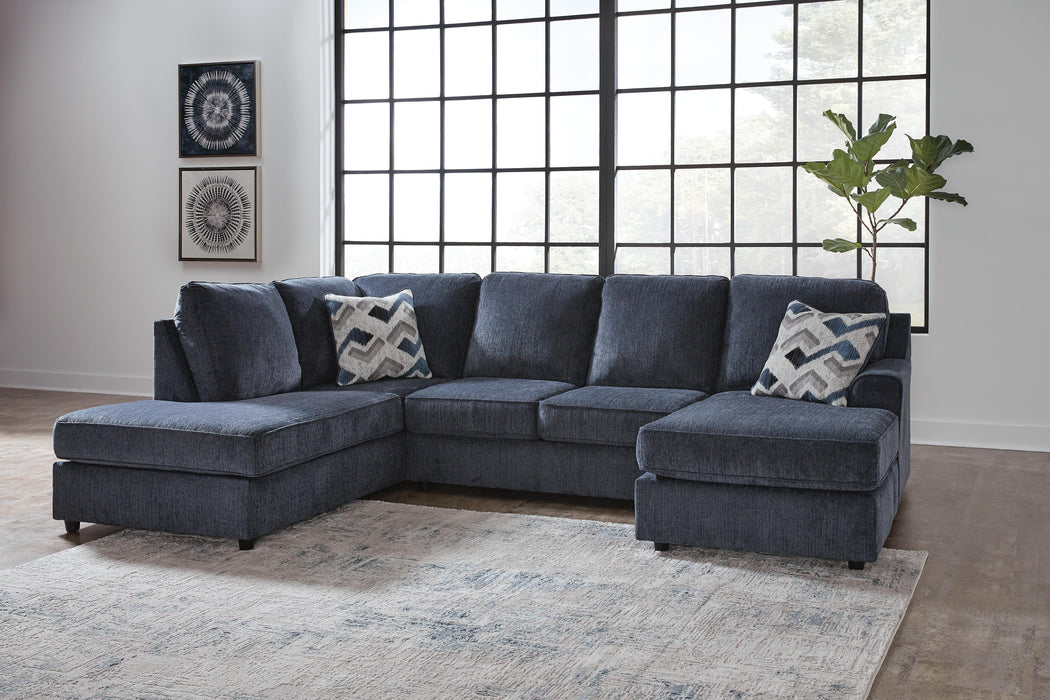
Chaise sections, supportive back cushions, hidden storage, built-in recliners, and power features can turn a sectional couch into a daily comfort hub.
-
Modular sectionals and chaise sectionals are often the easiest way to combine flexible room layouts with generous seating.
-
Durable fabric, performance fabric, washable covers, and high-quality seat cushions matter as much as shape for long-term cushion comfort.
-
This guide gives practical tips on dimensions, cushion fill, traffic flow, and features so you can choose the right sectional sofa for your living space.
Introduction: Comfort First in a Living Room Sectional
The best sectional sofas are not always the biggest, deepest, or most expensive ones. Daily comfort comes from matching the sectional to how your household actually uses the living room: reading, lounging, working on a laptop, hosting friends, or falling asleep halfway through a show.
Sectional comfort is practical. It means the right seat depth, supportive cushions, well-filled back cushions, a chaise or recliner for leg support, and helpful extras like cup holders, storage, and adjustable headrests. Sectional sofas come in various configurations, including L-shaped, U-shaped, and modular designs, each suited for different room layouts and user needs.
A large sectional often becomes the focal point of the living area, so comfort and style have to work together. The goal is not just to buy a comfortable couch. The goal is to create comfortable seating that supports daily life without crowding the room.
1. Choosing the Right Shape: L-Shaped, Chaise, U-Shaped, and Modular
Configuration is the first comfort decision because it controls how people stretch out, talk, enter the seating arrangement, and move around other furniture. When choosing a sectional sofa, it's essential to measure your space accurately, considering both the length and width of the room, as well as clearance around other furniture and pathways.
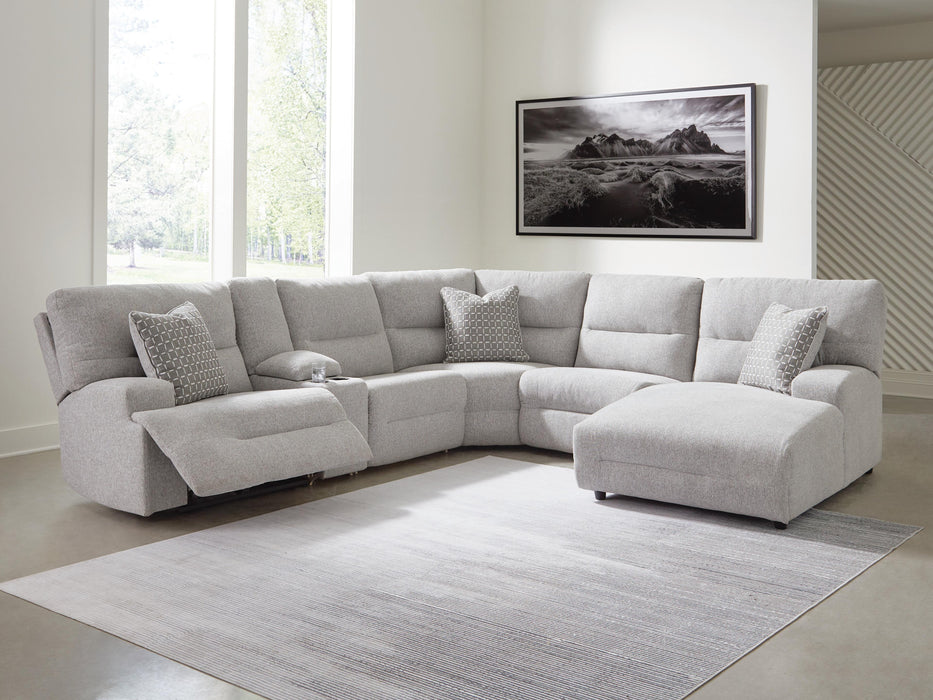
L-shaped sectionals are ideal for maximizing corner space and providing ample seating, making them suitable for both small and large rooms. An L-shaped sectional can sit against two walls, float in open concept spaces, or divide a living area from a dining zone. This L-shaped layout also pairs well with one accent chair when you want a face-to-face conversation without losing more seating space.
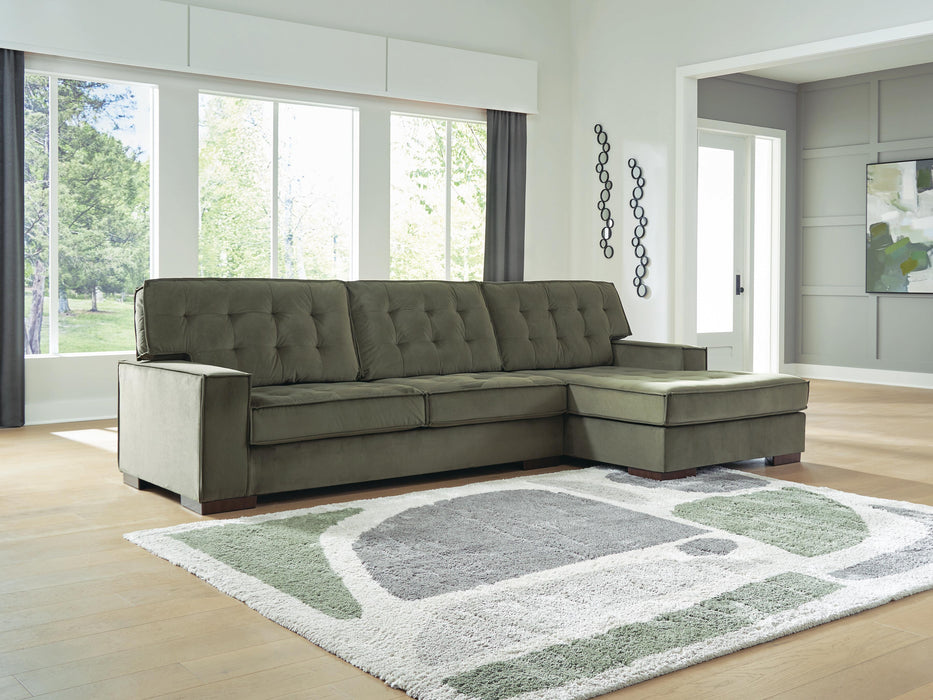
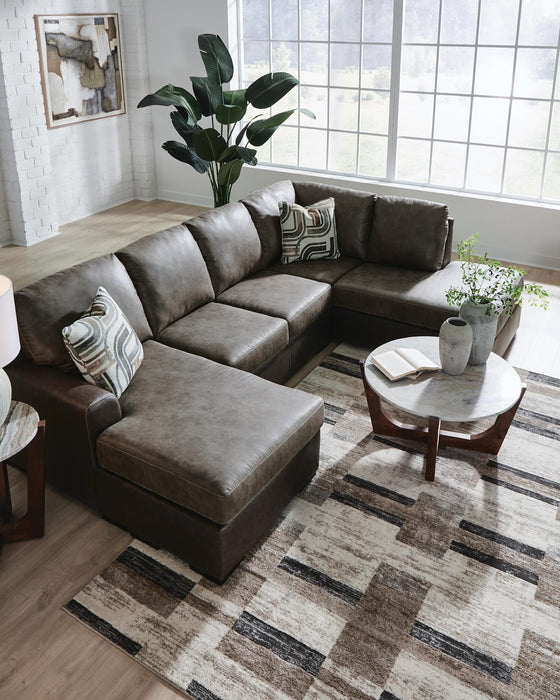
Chaise sectionals add an extended seat for full leg support. Chaise lounges provide a built-in platform to elevate your legs, improving circulation. That makes chaise lounges useful for reading, napping, stretching out, and ultimate relaxation after a long day. The chaise position matters: choose left or right based on corner placement, TV angle, door swings, and traffic flow.
U-shaped sectionals create a cozy social atmosphere, allowing everyone to face each other, making them perfect for gatherings and family discussions. U-shaped sectionals also work well in large living rooms where the goal is generous seating for game nights, family living rooms, or casual entertaining. A U-shaped design can feel like a conversation pit, but it needs enough clearance so the room does not feel boxed in.
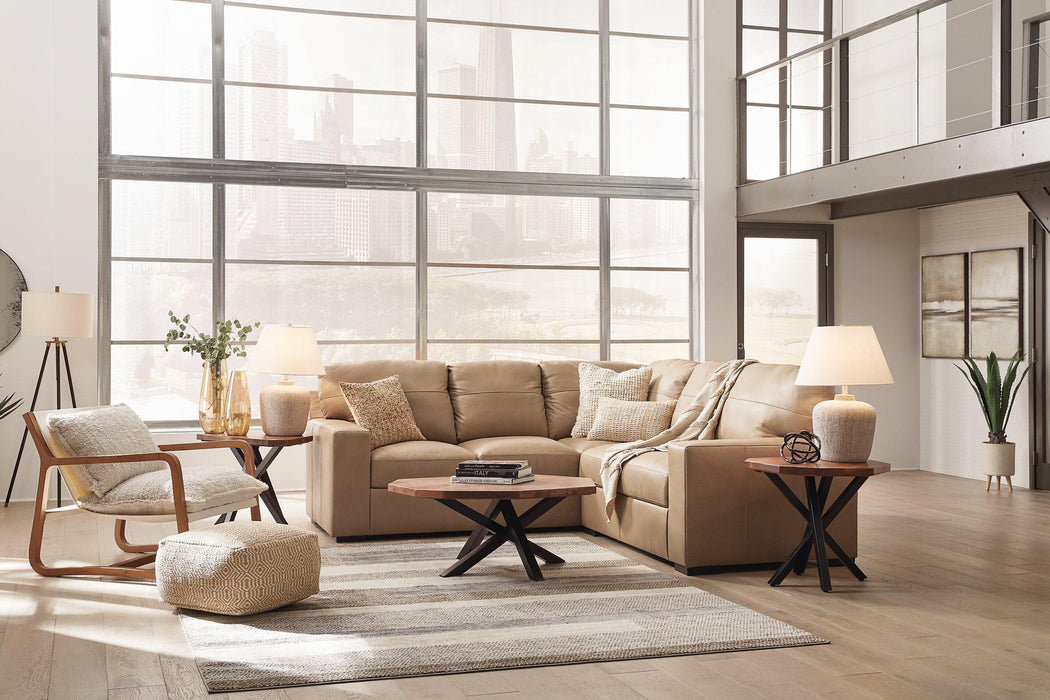
Modular sectionals offer flexibility in arrangement, allowing users to reconfigure their seating as needed, which is ideal for changing living spaces. Modular designs can shift from an L to a U, separate into chairs, or expand later with extra pieces. That flexibility is valuable in small apartments, large spaces, and homes where children, pets, or hobbies change how the room functions.
Before you buy, keep at least 30–36 inches of walkway around the sectional where people move most often. If the right sectional blocks doors, windows, or walk paths, even soft cushions will not make the room feel comfortable.
2. Seat Depth, Height, and Cushion Construction
Many best sectional couch regrets come from the wrong seat depth or cushion firmness, not the wrong color. A beautiful sectional can still feel awkward if your feet dangle, your knees sit too high, or deep seats force you to slouch.
Seat depth of 21–23 inches fits average heights. Seat depth over 24 inches suits lounging or tall users. Most well-padded sectionals offer a seat depth between 22 and 26 inches and a seat height of around 18 to 20 inches, allowing for comfortable sitting and lounging positions. Seat height of 18–20 inches allows easy standing, especially for people who do not want to push up from a low seat. For many adults, a 22–24 inch seat depth works well for mixed use, while 25–27 inches feels better for curl-up lounging and deep seating.
Cushion construction matters just as much as dimensions. High-density foam cushions with density ratings between 1.8 and 2.5 pounds per cubic foot offer the best long-term support and resistance to sagging. High-density foam cores maintain structural integrity and prevent bottoming out. High-resiliency foam cores prevent sagging over time. Memory foam layers distribute weight evenly and eliminate pressure points.
A multi-layer cushion construction typically includes high-density foam for structural support, medium-density foam for transitional comfort, and a soft foam or fiber wrap for a plush surface feel, enhancing overall comfort. The best padding materials bounce back after compression, with high-loft fibers and properly specified foam densities maintaining their shape and support characteristics.
Durable construction, including kiln-dried hardwood or reinforced metal frames, is essential to prevent sagging and warping that can ruin cushion support. If you prefer solid wood, look for a solid frame and a sturdy frame that keeps the seat platform level. Good spring systems also help seat cushions stay supportive over the years of use.
Choose based on how you sit:
-
Firmer supportive cushions help if you work on the sofa, sit upright, or need extra back support.
-
Soft cushions and deep cushions feel better if you mostly lounge, nap, or watch long shows.
-
Balanced cushion fill is best for mixed households where one person wants structure, and another wants a sink-in feel.
-
Properly balanced cushioning can significantly decrease back pain, muscle soreness, and joint stiffness, which are common complaints from inadequate seating.
When testing, sit fully back, place both feet flat on the floor, lean into the back cushions, then try your normal lounging position. A quick showroom sit is not enough.
3. Back Cushions, Arm Design, and Ergonomic Support
Comfort is not just softness. The right support for your spine, neck, shoulders, and arms prevents fatigue during long use. That is why the best sectional couch for daily life usually combines plush surfaces with stable lower-back support.
Back cushions should hold you upright without pushing you forward. A slightly firmer lumbar zone with a softer upper section often gives the best posture support. Fluffing back cushions weekly helps restore loft and prevents flat spots, ensuring continued comfort and support. Channeled or baffled back cushions are helpful because they reduce clumping and keep the fill distributed.
Backrest height over 32 inches supports the shoulders and neck. High backrests deliver continuous support for your upper back, shoulders, and neck. Low-profile backs can look sleek in formal living rooms or modern living spaces, but they may not support taller users during long TV sessions. Adjustable headrests allow for customization of back height to prevent neck strain, especially on a reclining sectional or power reclining sofa.
Key ergonomic features to check:
-
Arm design: Wide padded track arms can hold a laptop, book, or plate. Pillow-top arms are comfortable for side lounging. Higher squared arms help readers who like side support.
-
Corner seats: Well-padded corners with generous back cushions turn awkward angles into favorite lounging spots instead of dead space.
-
Seat firmness: Moderate firmness makes it easier to sit comfortably and stand up without sinking too far.
-
Back angle: A slight recline supports a relaxed posture better than a perfectly vertical back.
Lean back for several minutes before deciding. The first 20 seconds tell you softness; the next few minutes tell you support.
4. Upholstery and Maintenance: Staying Comfortable Day After Day
Upholstery affects comfort because it changes how relaxed you feel using the sofa every day. If you worry about spills, pets, crumbs, or fading, the sofa becomes less enjoyable, even if the cushions feel great.
Soft woven fabrics and chenille feel cozy against the skin. Breathable materials, such as high-quality cotton, offer better temperature regulation compared to synthetic options. Performance fabrics resist stains and feel soft. Stain-resistant fabrics repel spills and are easy to clean, which makes them a practical solution for kids, pets, and family living rooms. Leather upholstery and performance leather can feel cool at first, wipe down easily, and develop a long-lasting look when maintained properly.
Texture also matters. Smooth fabrics feel clean and modern, while nubby weaves feel warmer and more casual. In warm climates, breathability may be more important than thickness. In busy households, high-quality fabrics with stain resistance are usually worth prioritizing.
Removable, zippered cushion covers contribute to longevity by allowing washing and rotation, which helps maintain the sectional's comfort over time. Washable covers are especially useful on a sleeper sectional used by overnight guests or in guest rooms where freshness matters.
Regular maintenance habits can significantly extend the life of your sectional sofa, including rotating reversible cushions monthly, flipping seat cushions monthly, and vacuuming fabric surfaces bi-weekly. Varying sitting positions daily can help reduce localized compression on cushions, which accelerates wear and tear. Also, avoid harsh cleaners that can stiffen upholstery and make seats feel less comfortable.
For a true best sectional experience, balance look, feel, and care demands. A fabric that looks perfect but makes you nervous every time someone brings coffee into the room is not the right seating choice.
5. Built-In Comfort Features: Recliners, Chaise, Cup Holders, and Storage
Modern sectionals can include motion, storage, and convenience features that make daily use easier. These extras are not just add-ons; they can reduce clutter, support better posture, and make the living room more relaxing.
Power reclining mechanisms allow for adjustable angles of the backrest and footrest at the touch of a button. A power recline seat is useful for home theaters, long streaming sessions, and anyone with joint stiffness. Manual recliners can also be comfortable, but a power reclining sofa gives more precise positioning. Built-in recliners are especially helpful when different people want different angles for reading, watching TV, or resting.
Chaise lounges act like passive recliners. They give full leg support without moving parts, which means less maintenance and an always-ready place to stretch out. Double-chaise designs and end-chaise sectionals maximize the most popular lounging spots.
Built-in cup holders are another comfort detail. Cup holders reduce spills, keep drinks close, and free the coffee table for snacks, games, or remotes. Fold-down consoles and integrated trays can hold small devices, reading glasses, or controllers without forcing people to lean forward every few minutes.
Hidden storage in chaises or ottomans keeps blankets, pillows, remotes, and chargers out of sight. A tidy living room often feels calmer because the eye is not pulled toward clutter.
The trade-off is bulk. A small sectional with too many consoles can restrict movement. In smaller living spaces, one chaise with storage may be more comfortable than several oversized power features.
6. Modular Flexibility and Room Flow
The best sectional for long-term daily comfort can adapt as life changes. New homes, children, pets, hobbies, and hosting habits can all change what the right sectional looks like.
Modular sectionals let you reconfigure an L-shaped sectional into a more open layout for guests, create a U-shaped arrangement for conversation, or separate pieces into individual seats when needed. This is where modular sectionals offer a real comfort advantage over many traditional sofas: the layout can evolve instead of forcing the room to adapt around one fixed piece.
Room flow matters because people should be able to enter and leave the seating area without asking others to move. Clear access to doors, windows, side tables, and the coffee table makes daily use easier.
A few layout tips help:
-
Avoid pushing every piece tightly against the wall if it makes the room feel stiff.
-
Float an L-shaped sectional slightly into the room to create a cozier zone.
-
Use a narrow console or slim side tables for surfaces without crowding.
-
Keep 14–18 inches between the sectional and coffee table so people can reach items and still walk through.
A large sectional can be comfortable, but only if the living space still functions.
7. Visual Comfort: Making the Sectional a Relaxing Focal Point
Visual comfort matters. A sectional that overwhelms the room, clashes with the décor, or blocks light can feel tiring even when the cushions are excellent.
Use the sectional as a welcoming focal point. Calm colors such as soft gray, beige, warm taupe, or deep green help a sectional recede visually. Then use pillows, throws, rugs, lamps, and wall art to add personality without making the sofa itself too loud.
Proportion is important. Large U-shaped or L-shaped pieces often look better with slimmer coffee tables, open-frame side tables, and vertical décor that draws the eye upward. In open concept spaces, a rug can define the seating arrangement without adding physical barriers.
Lighting also affects comfort. Floor lamps and table lamps near the main seats reduce eye strain for reading. Dimmable lighting supports relaxed evenings and movie nights better than harsh overhead light.
Keep accessories close but not cluttered. Trays for remotes, baskets for throws, and a limited number of pillows make it easier for people to sit comfortably without rearranging the sofa every time.
8. Practical Buying Checklist: Matching Features to Your Daily Routine
Selecting the right sectional involves considering your lifestyle and how the sofa will be used, such as for lounging, entertaining, or accommodating guests. The right
Get Your Sectional Sofa Furniture at All Weather Patio
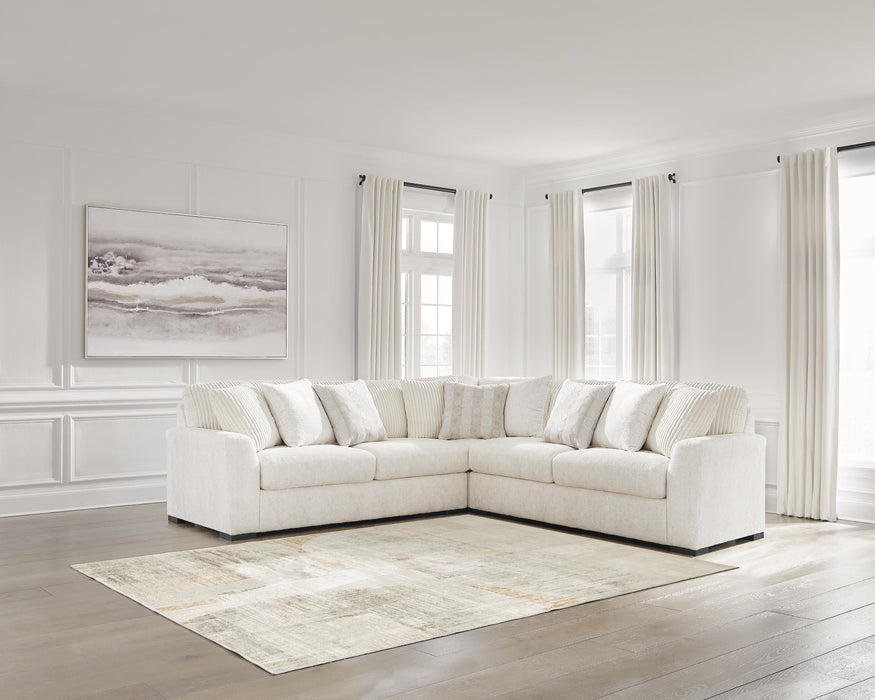
Get your ideal sectional sofa furniture at All Weather Patio and create an outdoor living space designed for comfort, relaxation, and style. Whether you're hosting weekend gatherings, enjoying family time, or simply unwinding after a long day, our sectional sofas provide spacious seating and durable construction built to complement your outdoor lifestyle.
Explore the collection at All Weather Patio and find sectional sofa furniture that combines elegance with lasting performance. Designed to withstand the elements while maintaining exceptional comfort, our sectional sofas help transform patios, decks, and outdoor entertaining areas into inviting spaces you'll enjoy season after season.


Leave a comment