
What Furniture Choices Make Living Rooms Easier to Maintain

The fastest route to a low-maintenance living room isn’t hiring a cleaning service; it’s choosing the right furniture from the start. Wipeable materials, simple shapes, and smart storage built into your living room furniture selection can cut your weekly cleaning time dramatically before you ever pick up a vacuum.
Here’s the thing most people overlook: the wrong sofa fabric or coffee table finish can easily add 30–60 minutes of extra cleaning per week. That delicate linen sectional looks gorgeous in the showroom, but six months into real life with kids, pets, or even just daily TV dinners, you’re spot-treating stains and vacuuming cushion crevices constantly. The glass coffee table that seemed so sleek now shows every fingerprint within minutes of wiping it down.
This guide focuses specifically on the living room, the highest-traffic, hardest-working space in most homes, and gives practical furniture examples for busy households, pet owners, and families with young children.
What you’ll learn:
-
Which upholstery materials resist stains and clean up with just a damp cloth
-
Sofa design details that either double or halve your cleaning time
-
Table finishes that hide dust, rings, and scratches
-
Storage furniture that eliminates daily clutter buildup
-
Pet- and kid-friendly choices that still look stylish
-
Layout decisions that make vacuuming and mopping faster
Quick wins you’ll get from this guide:
-
A clear “choose this, avoid that” framework for every major living room piece
-
Specific measurements and material specs to reference while shopping
-
Strategies to make your entire room feel cleaner without extra effort

Quick Answer: The Best Low-Maintenance Living Room Furniture Choices
Before diving into the details, here’s your at-a-glance list of furniture pieces that most reduce cleaning effort:
-
Performance-fabric sofa with removable covers – Spills wipe away with water and mild soap; covers can be machine-washed a few times per year for a full refresh
-
Raised-leg seating with 4–6 inches of clearance – Standard vacuum heads and robot vacuums pass underneath in seconds instead of requiring you to move heavy furniture
-
Matte-finish wood coffee table in a mid-tone stain – Hides fingerprints, water rings, and light scratches far better than glass or high-gloss lacquer
-
Closed-storage media console with flat-panel doors – Conceals cables, game consoles, and remotes behind doors that need only occasional dusting
-
Storage ottoman with interior compartment – Doubles as extra seating and hides blankets, kids' toys, and board games out of sight
-
Tightly woven, low-pile area rug in a mid-tone pattern – Pet hair and crumbs stay on the surface for easy vacuuming instead of embedding deep into fibers
-
Minimal accent chairs with simple legs and smooth upholstery – Fewer crevices mean less time spent picking out lint and debris
The sections below break down the “why” and “how” for each choice so you can customize recommendations to your own living area.
Why Material Matters More Than Style in a Low-Maintenance Living Room
In day-to-day life, fabric and surface materials impact cleaning effort far more than whether your sofa has a modern silhouette or a traditional shape. You can have the most beautiful room on the block, but if every surface demands special cleaners, professional treatments, or constant attention, you’ll spend more time maintaining it than enjoying it.
Natural but delicate fibers, pure linen, silk, and untreated wool demand more care than most busy households can realistically give, especially in high-traffic living rooms where the entire sofa sees daily use. These materials absorb spills, show wear patterns quickly, and often require dry cleaning or professional care.
Performance fabrics, protected leather, sealed wood, and metal frames resist stains, dust, and scratches far better than many traditional options. The difference becomes obvious over months and years: the performance-fabric sofa still looks fresh after countless juice spills and movie nights, while the delicate linen version shows every mark and demands constant spot treatment.
Materials to favor for main living room pieces:
-
Performance polyester blends and microfiber
-
Protected or coated leather
-
Sealed solid wood or quality veneer
-
Powder-coated metal frames
-
Laminate with matte or satin finishes
Materials to approach with caution:
-
Pure linen and loose-weave natural fibers
-
Untreated aniline leather
-
High-gloss lacquer surfaces
-
Glass tops on high-use tables
-
Heavy chenille and true velvet for primary seating
Upholstery: Fabrics That Don’t Turn Into a Weekly Project
Performance fabrics have transformed what’s possible in busy living rooms. These engineered textiles, typically polyester blends, solution-dyed acrylics, and microfiber, resist stains at the molecular level and can usually be cleaned with nothing more than a damp cloth and mild soap.
Microfiber consists of ultra-fine polyester fibers (often 1/10th the diameter of human hair), creating a dense pile that repels water and oils. This makes it naturally hypoallergenic by minimizing allergen harboring. Performance fabrics take this further, blending polyester with coatings that can withstand 100,000+ abrasion cycles, far surpassing delicate natural fibers.
Removable, machine-washable covers for seat and back cushions are a game-changer for families. Instead of expensive professional cleaning, you can fully refresh your sofa a few times per year at home. Look for sofas where the main cushion covers zip off completely.
When shopping for new upholstered furniture, check the fabric rub count and cleaning code. A rub count of 50,000+ indicates durability for heavy daily use over 15+ years. Cleaning code “W” means the fabric can be cleaned with water and mild soap; these are the low-maintenance winners.
Best fabric choices:
-
Microfiber (budget-friendly, wipeable, resists pet hair)
-
Performance polyester blends (engineered stain resistance)
-
Solution-dyed acrylic (fade-resistant, easy spot cleaning)
Okay for lower-use pieces:
-
Wool blends (natural dirt resistance from lanolin, but needs more care)
-
Tightly woven cotton canvas (durable but absorbs spills without treatment)
Avoid for the main living room seating:
-
Loose-weave linen (wrinkles, absorbs stains, often requires dry cleaning)
-
Heavy chenille (traps pet hair and lint in loops)
-
True velvet (shows marks, requires careful vacuuming, stains easily)
Leather and Faux Leather: Wipe-Clean Options for Busy Spaces
Real leather and good-quality faux leather are extremely easy to maintain in living rooms where food, drinks, and pets are common. Interior designers often recommend leather for busy households, specifically because of its wipe-down efficiency.
Protected or coated leather finishes are the best choice for households that want simple maintenance. These finishes create a barrier that resists spills and can be wiped clean immediately. Untreated aniline leather, while beautiful, absorbs liquids and requires regular conditioning and more careful spot treatment.
Modern faux leather has improved dramatically and can offer a similar look at a lower price point. For low-maintenance households, look for thicker, crack-resistant versions that will hold up for the first 5–10 years of heavy use.
Leather vs. faux leather through the lens of upkeep:
|
Factor |
Real Leather |
Faux Leather |
|---|---|---|
|
Daily cleaning |
Wipe with a damp cloth |
Wipe with a damp cloth |
|
Long-term care |
Condition 1–2x yearly |
Minimal |
|
Scratch visibility |
Develops patina, hides scuffs over time |
Shows scratches more permanently |
|
Lifespan |
15–20+ years with care |
5–10 years typically |
|
Breathability |
Better in humid climates |
May feel warmer |
|
Cost |
Higher upfront |
More affordable |
For the main living room sofa in a high-traffic household, protected leather offers the best combination of longevity and low maintenance. Faux leather works well for accent chairs or pieces that see less daily use.
Choosing an Easy-Care Sofa: Design Details That Matter
The sofa is the hardest-working and most frequently cleaned piece in most living rooms. Small design details can either double or halve your cleaning time, and these details matter just as much as fabric choice.
Beyond fabric, the way cushions, seams, legs, and frames are designed has a big impact on how quickly dust and crumbs accumulate. A sofa with minimal seams and raised visible legs takes five minutes to vacuum. A floor-hugging, heavily tufted design with a dozen throw pillows takes thirty.
The good news: you can still have a cozy, inviting sofa while prioritizing smooth lines and low-maintenance construction. Examine any sofa from every angle, underneath, behind cushions, between arms, to predict future cleaning headaches before you buy.
Key design decisions to evaluate:
-
Cushion style (smooth vs. tufted)
-
Seam complexity (minimal vs. heavy piping and channeling)
-
Leg height (raised vs. floor-hugging)
-
Back style (attached vs. loose pillows)
-
Modular vs. fixed construction
Skip Tufted, Deep-Seam, and Over-Pillowed Designs
Button tufting, deep channeling, and heavy piping create dozens of tiny pockets where crumbs, pet hair, and dust settle. Every crevice becomes a mini cleaning project, making weekly vacuuming tedious and time-consuming.
For the primary family sofa, smooth seat and back cushions with minimal seams make all the difference. You can run a vacuum over the surface in seconds without needing attachments and angles for every button and fold.
Throw pillows add comfort and visual interest, but they also multiply the surfaces you need to maintain. Limiting to 2–4 pillows on a three-seat sofa with zip-off, washable covers keeps things manageable. Those Instagram living rooms with a dozen decorative pieces on the sofa look beautiful until you realize someone has to fluff and arrange furniture every single day.
Choose this:
-
Smooth, tight-back, or simple loose-back cushions
-
Minimal welting or piping
-
2–4 throw pillows with machine-washable covers
-
Clean lines without decorative buttons
Avoid this for main seating:
-
Deep button tufting across seats and backs
-
Heavy channel quilting
-
Excessive decorative pillows (8+)
-
Complex piping and trim details
If you love the look of tufting, reserve it for accent chairs or benches that see less daily use and are easier to spot-clean.
Raised-Leg Sofas and Chairs vs. Floor-Hugging Furniture
Choosing sofas and chairs with visible legs and at least 4–6 inches of clearance transforms vacuuming from a furniture-moving ordeal to a quick pass. Standard vacuum heads slide right underneath, and robot vacuums can do their job without getting stuck.
Floor-hugging bases and bulky skirts trap dust, pet fur, and small objects underneath, forcing you to move heavy furniture for proper cleaning, which means it doesn’t happen as often as it should. Over time, these hidden areas become dust traps that affect air quality in the entire room.
Beyond cleaning, leggy designs make living rooms feel lighter and more open. The floor space feels larger when you can see through to the living room floor, which visually supports both spaciousness and cleanliness.
Recommended specifications:
-
Minimum 4 inches of clearance under sofas and chairs (6 inches is ideal)
-
Metal or hardwood legs with smooth surfaces for easy wiping
-
Straight or tapered simple legs rather than ornate carved bases
-
Avoid fabric skirts that touch the floor

Low-Maintenance Coffee Tables and Side Tables
Coffee tables and side tables see constant daily contact with drinks, snacks, laptops, remotes, and kids’ crafts. The wrong surface quickly looks smeared and scratched, demanding constant attention to stay presentable.
Finish and material matter far more than shape when it comes to cleaning. Glass and high-gloss lacquer show every fingerprint within minutes of wiping. Matte wood and laminate are far more forgiving, letting you go days between wipe-downs without the table looking neglected.
When choosing tables for your living room, prioritize finishes that hide water rings, minor scratches, and dust. Choose tables with simple, open bases rather than ornate pedestals or intricate metalwork that collect dust in every crevice.
Best bet material and finish pairings:
-
Matte-finish solid wood in mid-tone stains (walnut, oak, warm gray)
-
Quality laminate with wood-grain texture and satin finish
-
Powder-coated metal in neutral tones (black, bronze, warm white)
-
Sealed veneer with low-sheen topcoat
Choose Matte Over High-Gloss Finishes
High-gloss lacquer and polished surfaces magnify fingerprints, smudges, and micro-scratches. You’ll find yourself polishing daily just to keep the surface looking clean, and even then, the moment someone sets down a glass or touches the surface, the cycle starts again.
Matte or satin finishes on wood, metal, or laminate tables diffuse light naturally, concealing minor wear and dust between cleanings. The subtle texture breaks up reflections instead of highlighting every imperfection.
Best choices:
-
Matte walnut-stained wood coffee table
-
Satin-finish oak end table
-
Powder-coated metal side table in matte black or bronze
-
Laminate with subtle wood-grain texture
Avoid high-use tables:
-
Piano-black lacquer
-
Polished chrome or mirror-finish metal
-
High-gloss white or dark lacquer
-
Any ultra-smooth, reflective surface
Mid-tone wood stains or colored finishes work better than extremes. Very dark (espresso, black) shows every dust particle. Pure white shows every water ring, coffee drip, and smudge. Medium tones, warm gray, natural oak, walnut, and hide both.
Solid Wood, Laminate, and Metal vs. Glass Tops
Glass-top tables show every fingerprint, water ring, and speck of dust, often needing multiple wipe-downs per day in busy homes. They also show scratches over time that can’t be buffed out. For a primary coffee table in a family living room, glass creates constant work.
Solid wood, well-sealed veneer, or quality laminate make far more practical choices for table tops. They tolerate everyday use, wipe clean easily, and disguise light scratches that would be visible on glass. A nearby surface for drinks and snacks should be functional, not precious.
Powder-coated metal tables are especially low-maintenance for a side table or plant stand. They don’t stain, resist scratches, and usually need just a quick dusting or occasional wipe.
Material comparison for table tops:
|
Material |
Cleaning Effort |
Scratch Visibility |
Best Use |
|---|---|---|---|
|
Glass |
High (daily wiping) |
High |
Small accent tables only |
|
High-gloss lacquer |
High |
High |
Low-traffic rooms |
|
Solid wood, matte finish |
Low |
Low |
Primary coffee table |
|
Quality laminate |
Low |
Very low |
Family-friendly spaces |
|
Powder-coated metal |
Very low |
Very low |
Side tables, plant stands |
If you love the look of glass, limit it to smaller accent tables used infrequently, or choose textured or etched glass that hides smudges better than clear polished surfaces.
Storage Furniture That Keeps Surfaces Clear
Clutter, not just dust, makes living rooms feel hard to maintain. When every surface is covered with remotes, chargers, magazines, and everyday items, even a freshly cleaned room looks messy. Storage furniture that hides the daily accumulation prevents mess buildup and reduces visible clutter dramatically.
Closed storage pieces, media consoles with doors, sideboards, storage ottomans, and coffee tables with hidden compartments let you quickly put away the items that would otherwise scatter across every nearby surface. When everything has a home, you spend less time picking up and reorganizing.
The best storage furniture combines concealed compartments with simple, wipeable surfaces. Flat-panel fronts in matte finishes need only occasional dusting, while the interior compartments keep cables, game consoles, and kids' toys out of sight.
Most useful living room storage pieces and what they should hold:
-
Media console with doors: Cables, streaming devices, game consoles, controllers
-
Storage ottoman: Throw blankets, board games, extra throw pillows
-
Sideboard or credenza: Books, photo albums, seasonal decorative items
-
Lift-top coffee table: Laptops, craft supplies, remote controls
-
Entry bench with storage: Bags, shoes, keys (for living areas near front doors)
Closed Storage Instead of Dust-Collecting Open Shelving
Open bookcases and floating shelves require frequent dusting of every individual item. Each decorative object, book, and photo frame becomes a small decor maintenance task. Multiply that across dozens of items, and you’ve added significant time to weekly cleaning.
Closed cabinets, sideboards, or media consoles with doors and drawers keep belongings dust-free inside while presenting a clean, simple exterior. Your living room layout stays calmer without open shelves covered in visual noise.
The sweet spot for most living rooms is a mix: limited open storage (top sections or a few shelves) for carefully chosen decorative pieces, and closed storage (bottom sections, cabinets) for bulkier, messier belongings that you don’t want to dust constantly.
Items that belong behind closed doors:
-
Cables, chargers, and power strips
-
Game controllers and headphones
-
Board games and puzzles
-
Kids’ art supplies and activity books
-
Seasonal items and extra blankets
-
Paperwork and magazines
Items worth displaying on limited open shelves:
-
A few curated decorative objects
-
Plants (living or high-quality faux)
-
Small collection of books you’re currently reading
-
One or two meaningful photos or art pieces
Choose fronts with flat panels and simple hardware rather than heavy carving, crown molding, or intricate moulding that traps dust.
Storage Ottomans, Benches, and Coffee Tables With Hidden Compartments
Storage ottomans are multi-purpose champions: extra seating, footrest, occasional coffee table (with a tray on top), and built-in storage for blankets and toys. One piece solves multiple problems while reducing visual clutter.
Lift-top coffee tables with interior storage keep laptops, craft supplies, and remote controls out of sight between uses. When you’re not working or crafting, the surface stays clear, and the room feels calm.
Upholstered benches with interior storage work beautifully in entry-adjacent living rooms, providing a place for bags, shoes, and seasonal accessories that would otherwise end up scattered.
Connecting storage pieces to clutter categories:
-
Storage ottoman → Blankets, throws, overflow pillows, toys
-
Lift-top coffee table → Laptops, tablets, craft supplies, current reading
-
Media console with doors → Tech gear, cables, gaming equipment
-
Bench with hidden storage → Shoes, bags, seasonal accessories
-
Sideboard with drawers → Paperwork, board games, photo albums
Choose storage pieces with sturdy hinges and easy-grip handles so opening and closing them is fast enough to encourage daily use. If accessing storage is annoying, things won’t get put away.
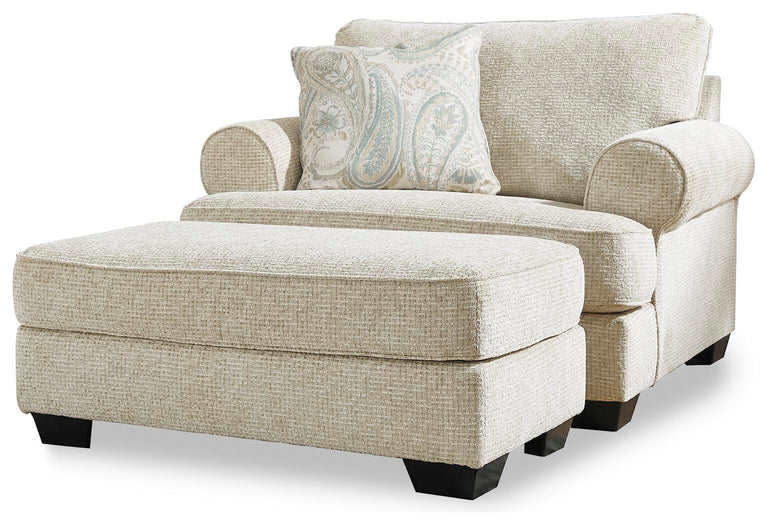
Pet- and Kid-Friendly Furniture Choices That Still Look Good
Pets and young children multiply the cleaning load in predictable ways: fur on every surface, muddy paws on the sofa, juice spills on the rug, crayons on the coffee table, and claws on chair legs. The right furniture choices can dramatically reduce damage and daily mess without sacrificing style.
The goal isn’t to create a sterile, “pet-proof” room but to select materials and finishes that hide fur, resist stains, and handle scratches gracefully. Choosing the right fabrics and finishes up front can delay or prevent the need for professional cleaning and early furniture replacement.
Core strategies for pet- and kid-friendly living rooms:
-
Tightly woven fabrics that keep hair on the surface
-
Medium-tone colors that hide stains and fur
-
Scratch-resistant legs and lower surfaces
-
Machine-washable textiles, where possible
-
Performance fabrics with high rub counts and stain resistance
Tightly Woven, Mid-Tone Fabrics and Rugs
Tightly woven performance fabrics and flatweave or low-pile rugs keep pet hair on the surface where it vacuums up quickly instead of embedding deep into fibers. Microfiber’s dense weave is particularly effective; pet hair brushes off easily, and stains clean up with just water.
Heavy shag rugs, boucle textures, and large-loop textiles trap fur and crumbs, making deep cleaning difficult. In a small living room with pets, these textures become maintenance nightmares within weeks.
Mid-tone, patterned textiles disguise stains and wear far better than solid, very light, or very dark fabrics. A heathered weave or small-scale geometric pattern hides the inevitable between cleanings.
Best for pets and kids:
-
Microfiber upholstery (tests show 95% stain removal with water alone)
-
Performance polyester blends
-
Flatweave or low-pile area rugs
-
Indoor-outdoor rugs (wipeable, hose-off cleaning)
-
Mid-tone patterns and heathered textures
Use sparingly:
-
Tightly woven wool blends (good dirt resistance, but need proper care)
-
Medium-pile rugs in dark or mid-tones
Avoid for main living room zones:
-
Shag or high-pile rugs
-
Boucle and large-loop textures
-
Solid white or cream upholstery
-
Solid black or navy (shows every pet hair)
-
Loose-weave linens
Machine-washable slipcovers and rug options provide a major maintenance advantage. The ability to fully wash items a few times per year keeps things fresh without professional cleaning costs.
Scratch-Resistant Legs and Surfaces
Pet claws and children’s toys damage soft woods (like pine) and delicate finishes quickly, especially on lower furniture edges and legs that sit at pet and toddler height. Interior designers recommend planning for this reality rather than hoping it won’t happen.
Hardwoods with durable topcoats, metal frames, and powder-coated legs hold up far better in high-traffic living rooms. Dense hardwoods like teak and oak resist scratches and dents better than softer species; teak’s high natural oil content (up to 40% more than oak) provides extra protection.
Scratch-resistant options for furniture legs and bases:
-
Solid hardwood (oak, walnut, teak) with polyurethane or lacquer finish
-
Powder-coated metal in matte finishes
-
Brushed or satin metal (hides minor scratches better than polished)
-
Rounded profiles rather than sharp corners (safer and less prone to chipping)
A slightly distressed or textured finish on table legs and cabinets can better conceal inevitable nicks and scuffs over time. The “perfect” finish shows every imperfection; a lived-in aesthetic hides them naturally.
Finishes and Colors That Hide Dust, Smudges, and Wear
Color and finish level strongly affect how often furniture “looks dirty”, which drives how often you feel compelled to clean. The same amount of dust on a medium-gray sofa barely registers; on a dark-colored espresso sectional, it’s immediately visible.
Choosing a cohesive wall color and coordinating it with your furniture can reduce visual clutter and make the space feel calmer. Using white trim alongside colored walls creates a seamless and expansive visual effect, making the room feel larger. Additionally, using light colors for walls and furniture can make a small living room appear larger.
Extremes create the most work. Very dark wood shows dust particles like tiny spotlights. Pure white upholstery highlights every spill, denim transfer, and pet mark. Choosing mid-tone and lightly textured surfaces for main living room furniture pieces means they continue looking presentable between deeper cleanings.
Consider a medium greige sofa paired with a mid-walnut media console and matte oak coffee table. This balanced palette naturally forgives minor dust and wear, letting you clean on a reasonable schedule rather than constantly.
Mid-Tone Neutrals Over Ultra-Light or Ultra-Dark
Mid-tone shades, mushroom, taupe, warm gray, medium oak, natural walnut, hide both light dust and darker stains. These colors work overtime to maintain a clean appearance with minimal effort.
Very dark furniture makes every speck of dust glaringly visible. Very light fabrics highlight spills, denim transfer, pet marks, and daily wear. For primary living room furniture collection pieces (sofa, coffee table, media console), mid-tones offer the best of both worlds.
Practical color guidelines:
-
Upholstery: Warm gray, mushroom, taupe, heathered oatmeal, soft sage
-
Wood finishes: Natural oak, warm walnut, medium gray-washed wood
-
Metal accents: Matte black, warm bronze, brushed nickel (not polished chrome)
Reserve the lightest and darkest tones for smaller accent pieces, throw pillows, throws, and a small side table that are easy to swap, wash, or replace. Building a simple 3-color palette per living room reduces visual clutter and makes the space feel calmer and easier to maintain.
Textured and Matte Surfaces Over Ultra-Smooth
Ultra-smooth, glossy surfaces highlight fingerprints, rings, and micro-scratches, demanding frequent polishing. Even the cleanest hands leave marks on piano-finish lacquer and polished chrome.
Subtle texture, visible wood grain, brushed metal, linen-look laminates, slightly slubbed fabrics, naturally disguise everyday wear. You don’t need heavy rustic distressing; even fine, consistent texture is enough to break up light and hide imperfections.
Texture and finish pairings for a typical living room:
-
Matte oak TV console with visible wood grain
-
Brushed-metal floor lamp base (not polished chrome)
-
Coffee table with satin-finish walnut veneer
-
Side table with powder-coated matte metal frame
-
Upholstery with subtle texture (linen-look performance fabric, heathered weave)
When shopping, run your hand across surfaces. If it’s perfectly smooth and reflective, expect it to show every touch. If there’s a subtle texture you can feel, it will hide more stuff over time.
Furniture Layout That Makes Cleaning Faster
Even the most low-maintenance furniture becomes a headache if arranged in a way that blocks vacuums, mops, or easy dusting. Your furniture placement directly impacts how long cleaning takes and whether certain areas get skipped.
Leaving adequate clearance between pieces, avoiding tight gaps, and limiting the total number of surfaces can significantly speed up weekly cleaning. Fewer, better-chosen pieces are easier to clean around than many small tables and stools scattered throughout the room.
Key layout measurements:
-
12–18 inches between large pieces (sofa and media console, paired chairs)
-
24–36 inch walkways for easy vacuum and mop access
-
4–6 inches of clearance under raised furniture
-
Minimal narrow gaps between furniture and walls
Leave Cleaning Clearance and Avoid “Dust Traps”
Leave at least 12–18 inches between the sofa and media console, or between paired accent chairs, so vacuum cleaners and mops can pass through without moving furniture. This single adjustment can cut vacuuming time significantly.
Narrow, hard-to-reach gaps, between the sofa and wall, between side tables and radiators, in corners behind large pieces, accumulate dust bunnies and lost items. These spaces get skipped during regular cleaning and become visible dust traps over time.
Layout adjustments to make:
-
Pull furniture slightly away from walls (even 6 inches helps)
-
Group seating into one main seating area instead of scattering pieces
-
Position an end table or side table where it’s accessible, not crammed against other furniture
-
Use wall-mounted solutions (floating shelves, wall lamps, overhead lighting) to keep floor space clearer
-
Avoid placing furniture directly under ceiling fans or air vents where dust accumulates fastest
Consider your vacuum’s path through the room. If you have to move furniture or navigate around tight corners, those areas will get cleaned less often.
Avoid Overfurnishing: Less Furniture, Less to Clean
Every extra side table, plant stand, and decorative stool adds another surface that gathers dust and needs wiping. More furniture equals more work; there’s no way around it.
Audit your living room and remove rarely used pieces. That tiny accent table no one uses? Gone. The floor lamp that’s purely decorative? Evaluate whether overhead lighting could serve the same purpose. Keep only furniture that adds real function or storage.
Multifunctional designs reduce total item count while maintaining utility. Nesting tables tuck away when not needed instead of permanently occupying floor space. A storage ottoman replaces both a footstool and a blanket basket. The right sofa with built-in storage eliminates the need for separate catchall furniture.
Before and after suggestions:
-
Swap three tiny side tables for one nesting table set with storage
-
Replace a basic coffee table with a lift-top version that stores blankets and remotes
-
Use one large storage ottoman instead of two sofa footstools plus a storage basket
-
Eliminate decorative-only pieces that serve no function
Open floor space not only makes vacuuming faster but also makes the small space feel tidier and less visually busy. More space between pieces creates negative space that reads as calm and clean.

Balancing Upfront Investment With Long-Term Maintenance
Higher-quality, easy-care furniture often costs more initially, but it typically saves money in professional cleanings, replacements, and time over 5–10 years. Cheap furniture that needs replacing in three years costs more than quality pieces that last a decade.
Invest more in the most used pieces, the main sofa, coffee table, and media console, while saving on occasional chairs or small accent tables that see less daily wear. A performance-fabric sofa with a hardwood frame (look for high-density foam cushions of 2.5 lb/ft³ minimum) will outlast budget alternatives by 50% or more.
Factor in cleaning costs when comparing options. That delicate linen sofa may cost the same upfront as a performance-fabric version, but add annual professional cleaning fees and spot-treatment products, and the true cost diverges quickly.
Where to invest:
-
Main sofa (performance fabric or protected leather, hardwood frame, raised legs)
-
Primary coffee table (solid wood or quality veneer, matte finish)
-
Media console (closed storage, flat-panel fronts, quality hardware)
-
Area rug (durable weave, stain-resistant treatment if possible)
Where to save:
-
Throw pillows and throws (easy to replace seasonally)
-
Small accent tables (choose function over premium materials)
-
Decorative items (rotate and update without guilt)
-
Two sofas or extra accent chairs (use mid-range options for secondary seating)
Questions to ask before buying any living room furniture:
-
What’s the cleaning code, and can I spot-clean with water?
-
What’s the rub count, and does it meet daily-use standards?
-
Are cushion covers removable and machine-washable?
-
Is there adequate clearance for vacuuming underneath?
-
Does the finish hide fingerprints and light scratches?
Conclusion: Building a Living Room That Practically Cleans Itself
Creating a low-maintenance living room comes down to intentional choices made before furniture enters your home, not heroic cleaning efforts afterward. The principles are straightforward: practical upholstery that wipes clean, surfaces that hide daily wear, furniture with visible legs for easy vacuuming, smart storage that eliminates clutter, mid-tone colors that forgive dust and spills, and a layout that lets you clean quickly and thoroughly.
Small, intentional changes make an immediate difference. Swapping a glass coffee table for a matte wood version eliminates daily fingerprint wiping. Adding storage ottomans means blankets and toys have a home instead of spreading across the room. Choosing a performance-fabric sofa over delicate linen means spills wipe away instead of becoming stains.
Start with the one or two pieces that cause you the most cleaning frustration; that’s your highest-impact swap. You don’t need to replace everything at once. Even a single strategic change to store items, reduce visible clutter, or choose furniture that doesn’t fight against daily life will make the entire room easier to maintain.
Key low-maintenance furniture choices to remember:
-
Performance fabrics or protected leather for upholstery
-
Raised-leg furniture with 4–6 inches of clearance
-
Matte finishes in mid-tone colors
-
Closed storage for everyday items
-
Simple designs with minimal seams and surfaces
-
Thoughtful layout with cleaning clearance
A living room that supports real life, is easy to clean, comfortable to use daily, and visually calm without constant effort, is absolutely achievable. Choose furniture that works with your life, not against it.
Accent Chairs and Additional Seating: Easy-Care Options Beyond the Sofa
When expanding your living room furniture collection, accent chairs and additional seating can make all the difference in both comfort and style, without adding to your cleaning workload. The right accent chairs not only provide extra seating for guests but also help define your living room layout and bring personality to the entire room.
For easy maintenance, prioritize accent chairs upholstered in performance fabrics. These materials are engineered to resist stains and can be quickly refreshed with a damp cloth, making them ideal for busy households or homes with kids and pets. Look for chairs with minimal seams and simple legs, which not only reduce visual clutter but also make it easier to keep the living room floor free of dust and debris.
Storage ottomans are another smart storage solution that seamlessly blends function and style. With built-in storage compartments, they offer a discreet spot to stow away throw pillows, kids' toys, or extra blankets, instantly reducing visible clutter. In a small living room, a storage ottoman can double as extra seating or a footrest, maximizing floor space and keeping the room feeling open and organized.
When arranging furniture, consider how accent chairs and additional seating interact with your coffee table and other furniture pieces. Leave enough negative space between items to allow for easy movement and cleaning. This not only makes the space feel larger but also ensures that every corner of your living area is accessible. Avoid crowding walkways or placing chairs where they block access to storage furniture or lower surfaces.
To further enhance your living room’s functionality and style, incorporate nesting tables or end tables with simple legs and subtle texture. These pieces provide flexible surface space for drinks or decorative objects, and can be tucked away when not in use to free up more space. Choose decorative pieces and throw pillows with minimal patterns and natural materials to keep the look cohesive and easy to maintain.
Get Your Living Room Furniture at All Weather Patio Today

Your living room should be a space where comfort and everyday living come together naturally. At All Weather Patio, our living room furniture collection includes sofas, sectionals, chairs, and accent pieces designed to fit your space and lifestyle. Each piece is selected for comfort, durability, and practical use, helping you create a welcoming and functional living area.
Explore our living room furniture selection today and find the right pieces to refresh your home. Whether you’re updating a single item or furnishing your entire living room, All Weather Patio offers furniture options that combine style, comfort, and lasting value.


Leave a comment