
How to Maintain Outdoor Furniture Easily
Your patio chairs and tables, as well as furniture on apartment balconies or terraces, face rain, sun, dust, and everything in between. Wind can blow dust and debris onto outdoor furniture, making regular maintenance important. Learning how to maintain outdoor furniture easily doesn’t require hours of scrubbing, just consistent, simple habits that prevent bigger problems down the road. This guide breaks down practical routines by material type so you can keep your outdoor space inviting all season long.
Introduction to Maintenance
Outdoor furniture is an investment in your comfort and the beauty of your outdoor space, but exposure to sun, rain, and daily use can quickly take a toll if you don’t keep up with regular maintenance. By taking a few simple steps to care for your furniture and outdoor cushions, you’ll not only protect them from stains, mold, and the elements but also keep your patio or balcony looking inviting all season long.
The key to effective maintenance is understanding the materials your furniture is made from, whether it’s wood, resin, plastic, or metal, and tailoring your care routine accordingly. Regular cleaning helps prevent dirt and debris from building up, while protective measures like covers and proper storage can shield your furniture from harsh weather and extend its lifespan.
With a little attention and the right approach, you can keep your outdoor furniture looking fresh and comfortable, ensuring your outdoor space remains a favorite spot for relaxing, entertaining, or simply enjoying the view.
Quick Start: The 15-Minute Monthly Routine
If you only take one thing from this guide, make it this: a quick monthly touchup prevents the need for intensive seasonal cleaning. Consistent light effort beats occasional deep scrubbing every time. Many experts recommend a quick cleaning each week to maintain appearance and prevent dirt buildup.
Here’s the routine:
-
Remove loose debris: Shake or vacuum cushions using a handheld vacuum or soft-bristle brush. Avoid beating cushions, which forces dust deeper into the fabric.
-
Wipe frames: Use a damp cloth with mild soap and warm water. A non-scratch sponge works well on most surfaces.
-
Rinse gently: Use a garden hose on low pressure. Skip the pressure washer; it can damage finishes and force water into joints.
-
Dry in shade: Let everything air dry completely before covering or storing.
Regular weekly cleaning helps prevent dirt buildup and mold formation, keeping your furniture looking its best.
Set a recurring phone reminder for the 1st of every month from April through September. This routine should take about 15 minutes for a standard 4–6 seat patio setup.
Selecting the Right Materials
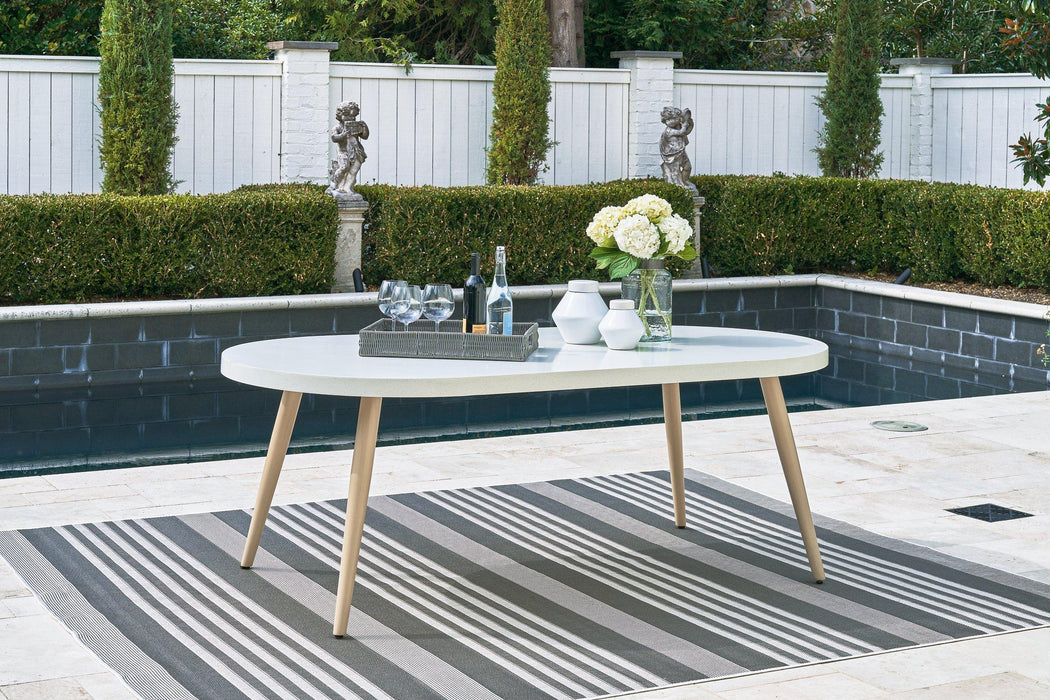
Choosing the right materials for your outdoor furniture is the first step toward creating a durable, low-maintenance, and inviting outdoor space. Each material offers unique benefits and challenges, so it’s important to consider your climate, how you plan to use your patio or balcony, and how much time you want to spend on upkeep.
Teak and other hardwoods are prized for their natural resistance to moisture, cracking, and sun damage, making them ideal for areas with unpredictable weather. Resin and plastic furniture are lightweight, easy to clean, and stand up well to rain and humidity, though they may fade over time if left in direct sunlight. Powder-coated metal options, like aluminum or steel, offer sleek style and excellent durability, especially when protected from scratches and rust.
If comfort is a priority, look for outdoor furniture with weather-resistant cushions and fabrics that dry quickly and resist mold. For busy households or high-traffic patios, synthetic composites and resin are great choices; they’re tough, require minimal maintenance, and are easy to wipe clean after summer gatherings.
Ultimately, selecting materials that match your lifestyle and local weather will help you enjoy your outdoor space with less worry about wear, stains, or damage. Investing in quality pieces and understanding their care needs means you’ll spend more time relaxing and less time on maintenance.
Understanding Your Outdoor Furniture Materials
Different materials need different care approaches. Using the wrong method, like a pressure washer on delicate wood or bleach on fabric, can cause more damage than neglect. Before diving into specific cleaning routines, identify what you own.
Common outdoor furniture materials include:
-
Powder-coated metal (steel or aluminum with a baked-on polymer coating)
-
Hardwoods (teak, acacia, eucalyptus with natural oil content)
-
Softwoods (less weather-resistant, need more protection)
-
Plastic and resin (fade-resistant but vulnerable to UV over time)
-
Concrete and stone (porous, can absorb stains)
-
Performance fabrics (quick-drying, engineered for weather exposure)
For mixed-material sets, like a metal frame with wooden armrests, use the gentlest method that works safely for all components.

Creating a Functional Outdoor Space
Designing a functional outdoor space starts with choosing outdoor furniture that stands up to the elements and fits your lifestyle. Look for pieces made from durable materials like teak, resin, or metal. These options are built to handle direct sunlight, rain, and the daily wear that comes with outdoor living. Teak is especially prized for its natural resistance to moisture and cracking, while resin and powder-coated metal offer excellent durability with minimal maintenance.
When planning your layout, think about how you want to use your outdoor space. Arrange furniture to create distinct zones for dining, lounging, or entertaining, making sure there’s enough room to move comfortably between seating areas. Position chairs and tables so they’re not blocked by planters or other obstacles, and consider adding a weather-resistant rug to define the space and add a cozy touch.
To protect your investment, place furniture in areas that get some shade during the hottest part of the day, or use umbrellas and pergolas to shield seating from direct sunlight. This helps prevent fading and extends the life of your cushions and fabrics. If your outdoor space is exposed to frequent rain, opt for furniture with quick-drying materials and slatted designs that allow water to drain easily.
By thoughtfully selecting and arranging your outdoor furniture, you’ll create an inviting, functional outdoor space that’s ready for everything from quiet mornings to lively summer gatherings, no matter what the weather brings.
Easy Care for Powder-Coated Steel and Aluminum
Powder-coated metal furniture is popular because the colored coating protects the underlying metal from rust and corrosion. Your main goals are preventing grime buildup, avoiding scratches, and sealing any spots where the coating has chipped.
Clean at least every 4–6 weeks during the use season. In coastal, humid, or heavily polluted areas, clean more frequently.
Cleaning steps:
-
Mix dish soap with warm water
-
Apply with a soft cloth or non-scratch sponge
-
Work in circular motions on stubborn stains
-
Rinse with a garden hose (avoid pressure washer)
-
Use a dry cloth to wipe joints and hollow sections where water gets trapped
Avoid abrasive scrubbers and harsh chemicals that strip the protective coating. In salty or coastal regions, covering metal pieces or storing them in a storage unit when not in use significantly extends their durability.

Repairing Small Chips and Scratches on Metal
Catching damage early prevents rust from spreading. Small chips expose the metal underneath, creating vulnerability to moisture and elements.
Simple repair steps:
-
Gently sand the damaged spot with fine-grit sandpaper
-
Wipe away dust and let the area dry completely
-
Apply thin coats of outdoor metal-protective spray paint
-
Mask surrounding areas with tape and cardboard to prevent overspray
Let repairs cure fully (typically 24 hours) before exposing to rain or heavy use. This at-home fix handles most minor wear without professional recoating.
Simple Maintenance for Wooden Outdoor Furniture
Quality hardwood furniture can last decades with basic care, while neglected wood can crack, warp, or grow mold within a single season. Hardwoods like teak contain natural oils that provide inherent water resistance; they’re far more forgiving outdoors than softwoods.
Recommended cleaning schedule:
-
Full cleaning at the start and end of each warm-weather season
-
Spot clean as needed throughout the summer
Cleaning process:
-
Remove dust and debris with a soft brush
-
Scrub with mild soapy water, working with the grain
-
Rinse thoroughly with clean water
-
Let wood dry completely (often 24 hours) before covering
Never place wooden furniture directly on bare soil or grass for extended periods. The constant moisture at contact points accelerates rot. Additionally, avoid putting wooden pieces directly on cold concrete during winter storage.

Keeping the Original Color vs. Letting Wood Weather
Many hardwoods naturally turn silver-gray after 6–12 months outdoors. This isn’t damage; it’s a natural patina that many owners prefer.
To maintain the original warm color:
-
Clean and let dry completely
-
Apply a suitable outdoor oil or teak-specific cleaner once or twice per year
-
Test any product on a small, hidden area first
To let wood weather naturally:
-
Still clean regularly to prevent mold
-
Skip tinted oils
-
Lightly sand problem spots (like water rings) following the grain
Avoid harsh sanding or pressure washing, which creates rough, splintery surfaces that become uncomfortable to sit on.
Winter and Wet-Weather Protection for Wood
Freezing temperatures cause wood to expand and contract dramatically. This repeated cycling leads to cracking and warping if the wood remains saturated.
-
Move furniture under a roof, into a shed, or into a dry garage before consistent freezing arrives
-
Use breathable covers rather than plastic tarps, plastic traps moisture and promote mold
-
Never cover damp furniture; wait until it’s completely dry after rain
-
Place legs on small risers or blocks if stored on cold concrete to prevent wicking moisture
In a wet climate, these precautions make the difference between furniture lasting years versus a single season.
Caring for Plastic, Resin, and Synthetic Composites
These materials are inherently low-maintenance but still benefit from routine cleaning and UV protection. Clean every 4–8 weeks during summer with mild soap and warm water.
Care tips:
-
Use a soft cloth or brush to remove pollen, dust, and bird droppings
-
Avoid abrasive powders or stiff brushes that create scratches and chalky surfaces
-
Direct sunlight fades colors and weakens plastic over several seasons
-
Cover or store pieces during off-season or extreme heat to limit UV exposure
-
Lift chairs when moving them, and dragging across rough pavers creates gouges and stress cracks
These simple practices protect your investment and maintain the furniture’s appearance across multiple seasons.
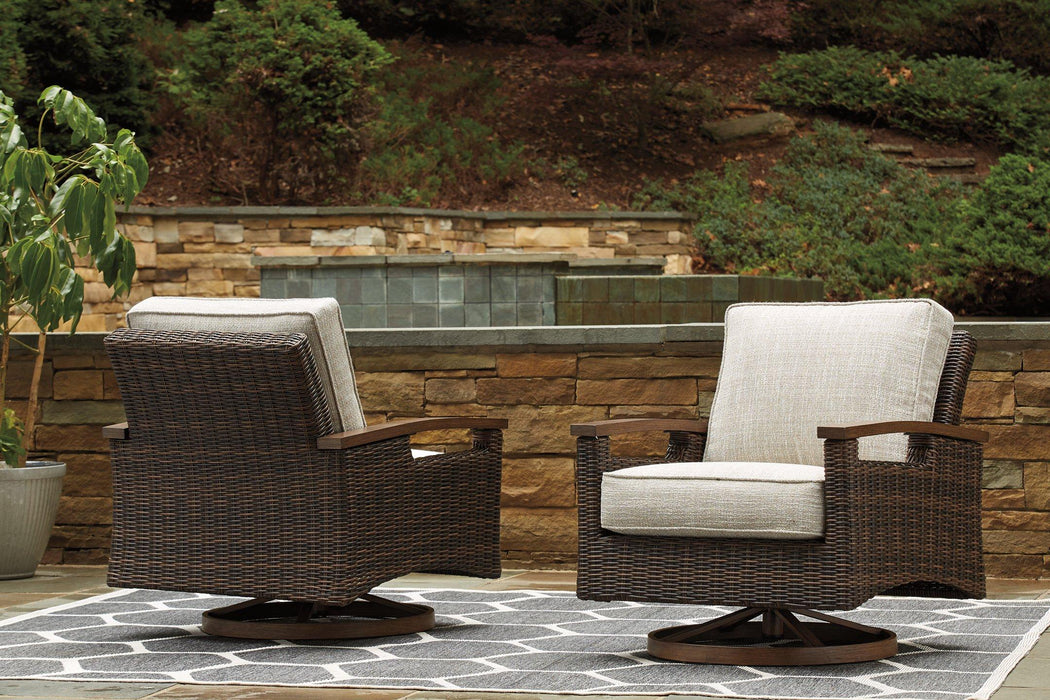
Outdoor Cushions, Fabrics, and Rugs
Textiles typically show dirt first and can make your entire patio look dirty if neglected. Outdoor cushions and pillows deserve regular attention.
Weekly during high-use months:
-
Shake or vacuum to remove dust, pollen, and crumbs
Spot cleaning:
-
Address spills quickly with mild soap and water
-
Blot instead of rubbing to avoid pushing stains deeper into the fabric
-
Check care tags and follow manufacturer instructions
Storage:
-
Store cushions in a dry, ventilated deck box, garage, or indoor closet overnight
-
Never store cushions damp; let them dry fully in the shade first
-
Putting away damp textiles creates mildew and musty odors
Outdoor rugs:
-
Vacuum or sweep regularly
-
Rinse with a hose monthly
-
Hang over a railing to dry thoroughly
Managing Mold, Mildew, and Odors on Fabrics
Lingering moisture and shade create conditions where mold thrives. Dark spots or musty smells indicate fungal growth that needs immediate attention.
Treatment routine:
-
Brush off loose visible growth
-
Clean with mild soapy water or a fabric-appropriate cleaner
-
Rinse thoroughly
-
Dry completely in moving air and sun if possible
Test any stronger cleaner on a hidden seam first to check colorfastness. To prevent recurring issues, store textiles indoors during extended rainy periods. Cool, damp conditions in closed spaces are where mildew grows fastest.
Concrete and Stone Tabletop Maintenance
Concrete and stone offer a modern aesthetic but require protection from stains and temperature swings. These porous materials absorb liquids quickly if unsealed.
Routine care:
-
Wipe regularly with a soft cloth and mild soap
-
Rinse with clear water to prevent soap residue rings
-
Use coasters, placemats, and trivets under glasses and hot dishes
-
Reapply an outdoor sealer every 1–2 years following the manufacturer's directions
Never use de-icing salt or harsh acidic cleaners near these surfaces. For winter in cold climates, cover or move tops under shelter to reduce freeze–thaw stress and potential cracking.
Preventing and Reducing Stains on Concrete
Unsealed concrete absorbs oil, wine, and leaf tannins within minutes. Wipe spills immediately, especially dark liquids and greasy drips.
For stubborn stains, use a pH-neutral cleaner designed for masonry. Some light discoloration is normal outdoors, and regular sealing remains the best prevention. Access to a quality sealer makes long-term maintenance much easier.
Storage and Organization for Outdoor Furniture
Proper storage and organization are key to maintaining the durability and appearance of your outdoor furniture. When the season changes or you’re not using your patio setup, store your furniture in a cool, dry place, like a storage unit, garage, or under a covered area, to protect it from rain, direct sunlight, and temperature extremes. This is especially important for outdoor cushions, which can quickly fade or develop mold if left exposed.
Before storing, always remove dust and debris using a soft-bristle brush. For a deeper clean, wipe down furniture with a mixture of mild soap and warm water, then rinse thoroughly and dry completely with a dry cloth. For teak pieces, a teak-specific cleaner helps preserve the wood’s natural oils and color. Metal furniture benefits from a quick wash with dish soap and water to remove grime and prevent rust.
To keep your outdoor space organized, use storage bins or baskets for smaller items like pillows, covers, and chair cushions. This not only keeps your patio clutter-free but also makes it easy to access everything when you’re ready to enjoy your outdoor space again. Additionally, always use breathable covers to protect furniture while allowing air circulation, which helps prevent moisture buildup and mildew.
A little organization goes a long way; regularly cleaning and properly storing your outdoor furniture ensures it stays in top shape, ready for the next warm, sunny day.
Preventing Pest and Rodent Infestation
Pests and rodents can quickly turn your inviting outdoor space into a maintenance headache, especially in wet climates or areas with high humidity. To keep your outdoor furniture pest-free, make it a habit to inspect for signs of unwanted visitors, such as bird droppings, chew marks, or nests tucked into cushions.
Keep your patio clean by promptly removing food scraps and trash, which can attract rodents and insects. Store furniture and cushions in covers or storage bags when not in use, and consider using pest-repellent sprays or granules around your storage area for added protection.
For cleaning, use a soft-bristle brush to remove dust, debris, and any signs of pests from your furniture. If you spot stubborn stains or evidence of infestation, a mixture of bleach and water can help sanitize surfaces. Just be sure to rinse thoroughly with a hose and dry with a dry cloth to prevent moisture buildup. Regular cleaning with mild soap and warm water also helps deter pests by removing residues that might attract them.
By staying vigilant and maintaining a clean, organized outdoor space, you’ll protect your furniture from pests and enjoy a more comfortable, worry-free patio season.
Safety Precautions for Outdoor Furniture Care
Caring for outdoor furniture is straightforward, but a few safety precautions will help you avoid injury and keep your furniture in great condition. Always wear gloves when cleaning or handling chemicals, especially if you’re using bleach or other strong cleaners. Skip the pressure washer, as it can damage surfaces and strip away protective coatings; instead, stick to a soft-bristle brush and mild soap for most cleaning tasks.
When cleaning, use circular motions with your brush to gently lift dirt and debris without scratching the surface. After washing, rinse thoroughly with a hose and make sure all furniture and cushions are completely dry before storing to prevent mold and mildew.
Avoid stacking furniture or piling cushions, as this can cause warping or create uneven surfaces that are uncomfortable to sit on later. Store your furniture in a storage unit or covered area, away from direct sunlight and harsh weather, to extend its lifespan.
By following these simple safety steps, you’ll protect both yourself and your outdoor furniture, ensuring your patio remains a safe and inviting place to relax all season long.
Seasonal Checklist: Spring Setup and Autumn Pack-Down
Two deep-care days each year handle what monthly routines cannot.
Spring (March–April):
-
Full wash of all frames and surfaces
-
Inspect cushions for mold or wear
-
Tighten screws and bolts (metal expands and contracts with temperature)
-
Touch up protective coatings where needed
-
Clean the outdoor rug and hang it to air out
Autumn (October–November):
-
Clean everything before storage
-
Ensure all pieces are completely dry
-
Touch up paint or sealers
-
Label covers and storage bins for easy spring access
-
Store cushions indoors or in a dry location
Adjust this checklist based on your local climate. Areas with year-round outdoor use may need a lighter but more frequent version.
Keeping Furniture Guest-Ready Between Deep Cleans
Making your outdoor space feel inviting doesn’t require constant heavy cleaning. A few habits keep seating areas ready for spontaneous gatherings.
Quick-access caddy contents:
-
Microfiber cloths
-
Mild cleaner in a labeled spray bottle
-
Soft brush
Pre-visit 5-minute routine:
-
Wipe tabletops with a damp cloth
-
Brush off chairs to remove debris
-
Fluff pillows and cushions
-
Straighten the rug
Position seating away from overhead branches where bird droppings are blocked from becoming a recurring problem. When replacing cushions, prefer wipeable, weather-resistant fabrics that require less maintenance.
A little consistent care keeps outdoor furniture comfortable and attractive for many seasons. Start with the 15-minute monthly routine, identify your materials, and maintain regularly rather than reactively. Your future self and your guests will thank you.
Conclusion and Final Tips
Maintaining your outdoor furniture doesn’t have to be a chore; just a few simple habits can keep your patio, deck, or balcony looking its best year-round. Remember to clean regularly, protect your furniture from the elements, and store cushions and delicate pieces during harsh weather. Choose materials that suit your climate and lifestyle for easier maintenance and longer-lasting durability.
Keep a soft-bristle brush, mild soap, and a dry cloth handy for quick cleanups, and use breathable covers to shield your furniture from the sun and rain. Organize your outdoor space with storage bins or a storage unit to keep cushions and accessories tidy and accessible.
By staying consistent with your maintenance routine and making smart choices about materials and storage, you’ll protect your investment and ensure your outdoor space remains inviting, comfortable, and ready for any occasion, whether it’s a quiet morning coffee or a lively summer gathering.
Get Outdoor Furniture from All Weather Patio Today!

Refresh your patio, deck, or backyard now with outdoor furniture from All Weather Patio designed for comfort, durability, and everyday living. Whether you're setting up a space for relaxing evenings, weekend gatherings, or outdoor dining, the right furniture makes your outdoor area more functional and enjoyable. With stylish and weather-resistant options, it’s easy to create a space you’ll love spending time in.
Don’t wait to upgrade your outdoor space. Buy outdoor furniture from All Weather Patio today and create a comfortable place for family, friends, and quiet moments outside. Shop now and turn your outdoor area into a space that feels like an extension of your home.


Leave a comment